An apartment waiting for its address
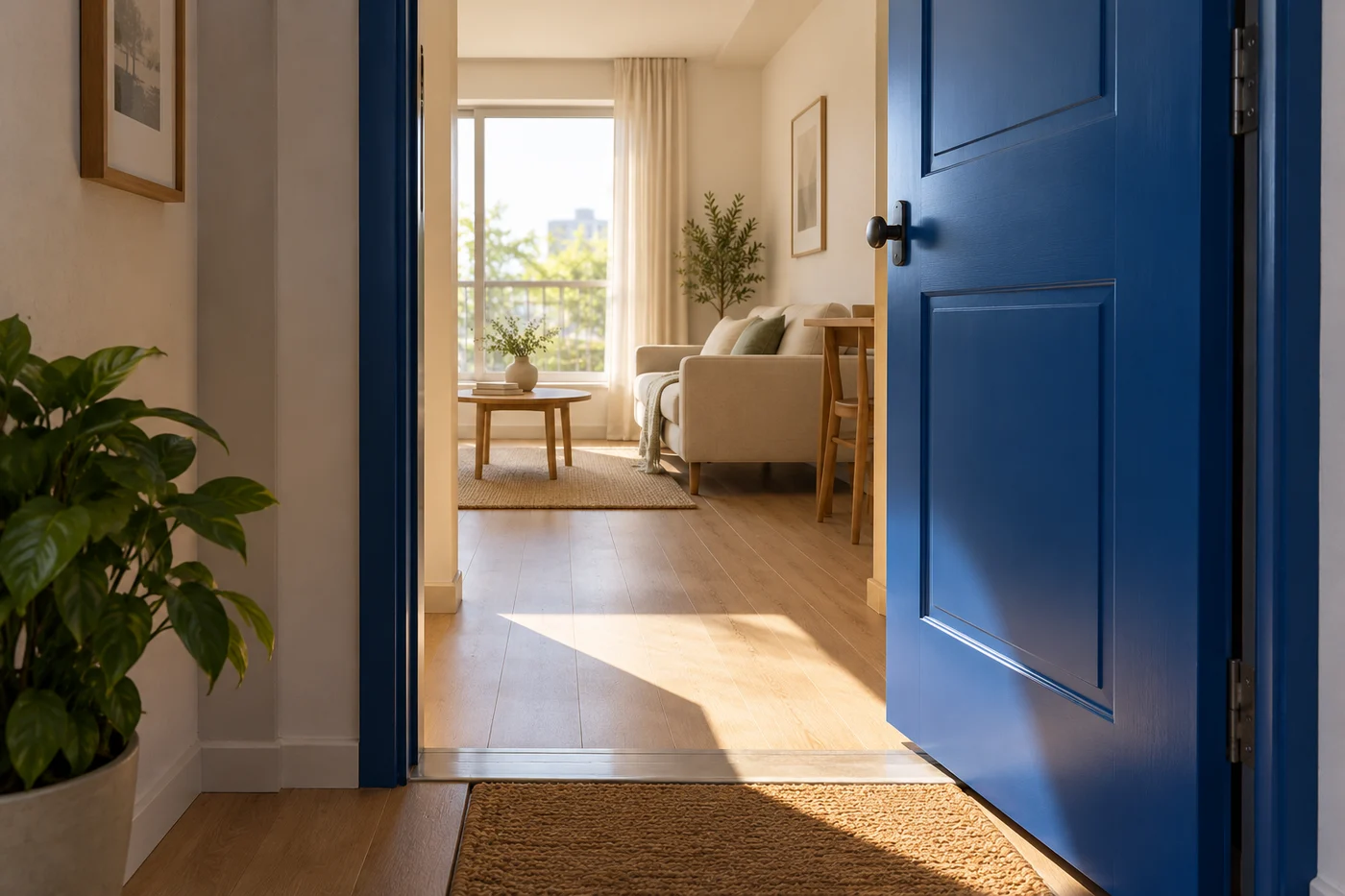
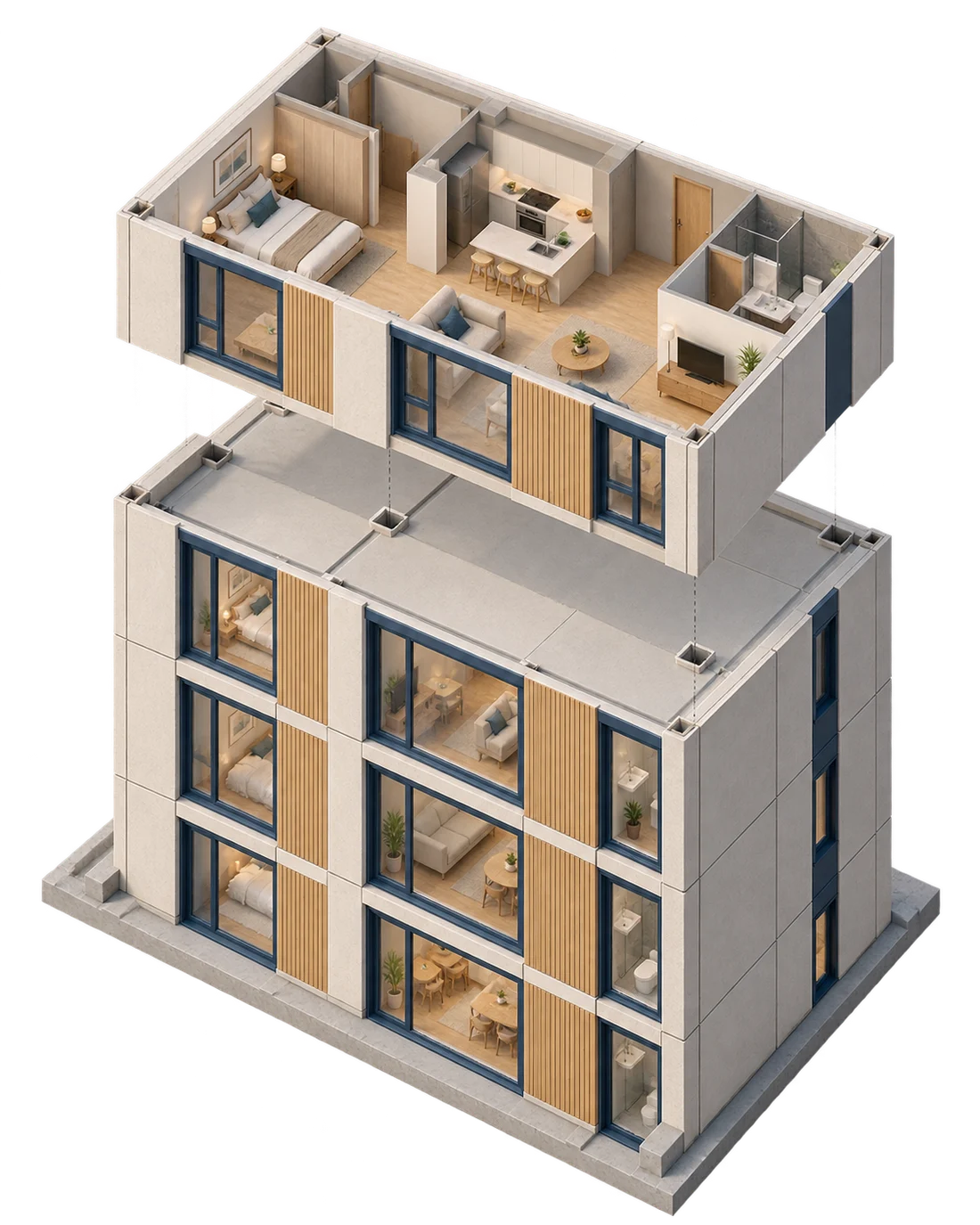
Imagine an apartment taking shape inside a factory. The kitchen has cabinets. The bathroom has plumbing. A window already frames the view, although the view is still the other side of the production hall.
Elsewhere, the ground that will carry this apartment is being prepared. Ideally, the two jobs finish together. A truck delivers the module, a crane lifts it into place, and work that would have happened in sequence has happened in parallel.
Now change one detail. The site is delayed.
The apartment cannot move in. It needs somewhere to wait. Someone has already bought its materials and paid the people who assembled it. Interest does not stop because the room has no address yet.
This imagined problem gets us closer to the truth about factory-built housing than the familiar video of apartments being stacked into a building. The crane is impressive. The coordination that makes the crane worth hiring is the harder achievement.
On October 7, 2026, the Department of Housing and Urban Development announced a plan to widen the possibilities for manufactured housing. Among its ambitions is a federal construction framework for larger factory-built residential buildings. That could become an important change in the way apartments are delivered. It is not the invention of modular apartments, which already exist. HUD announcement
The useful question is therefore not whether a factory can produce an apartment. It can. The question is whether enough of the surrounding system can be organized to make that apartment cheaper to deliver, safe to occupy and affordable to live in.